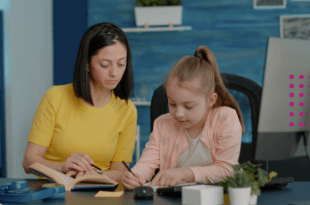
Starting a homeschool journey is exciting, but it can also feel like standing in the middle of a very large room with no clear direction. There is curriculum to choose, schedules to plan, legal requirements to meet, and a household to keep running all at the same time. For families in the Sunshine State, building a plan that actually works means understanding homeschooling in Florida: laws and resources before mapping out a day-to-day approach that your family can actually sustain.
A cohesive homeschooling plan is not just about picking subjects. It is about aligning what you teach with where you live, what your community offers, and what your child genuinely needs. Florida has a lot to work with. From its unique natural environment to a strong network of local co-ops and state-funded resources, the state gives homeschooling families real tools to build something meaningful.
Start With Your Child, Not the Curriculum Catalog
The most common mistake new homeschooling families make is jumping straight to curriculum selection before they have a clear picture of how their child actually learns. Some kids thrive with structured schedules and textbooks. Others need hands-on projects and lots of movement. Most fall somewhere in between.
Before you spend a single dollar on curriculum, take time to observe your child. What topics light them up? When do they lose focus? How long can they sit and concentrate before needing a break? These observations will tell you far more than any product description can.
Once you have a sense of your child’s learning style, you can make more intentional choices about curriculum, daily rhythm, and teaching approach. This foundation will shape everything that comes after and save you from the expensive mistake of buying a curriculum that simply does not fit.
Build Your Schedule Around Your Family’s Real Life
One of the biggest perks of homeschooling is schedule flexibility. You do not have to replicate a traditional school day with six hours of desk work starting at eight in the morning. In fact, trying to mirror a classroom structure at home often leads to frustration for both parents and kids.
Florida’s warm climate opens up a lot of doors for year-round learning. Many families in the state take advantage of cooler fall and spring weather to do more outdoor activities, field trips, and community-based learning, while scaling back to lighter work during the hottest summer months. This kind of seasonal rhythm is something a traditional school calendar cannot offer.
Think about when your child is most alert and ready to learn. Some kids do their best work in the morning. Others hit their stride after lunch. Build your most demanding subjects into the time of day when your child is naturally at their best, and save lighter activities for low-energy periods.
More than 155,532 students were enrolled in Florida’s home education program last year, reflecting the continued growth of homeschooling statewide.
Use Florida’s Natural Environment as a Teaching Resource
Florida is genuinely one of the most interesting places in the country to teach natural science. Everglades ecology, coastal ecosystems, weather patterns, manatee habitats, sea turtle nesting seasons – the natural world here is rich, accessible, and endlessly fascinating for curious kids.
Nature-based learning does not require any special curriculum. A trip to a local nature preserve or state park becomes a hands-on science lesson. A visit to a fishing dock turns into a conversation about marine biology. Growing a small garden teaches plant cycles, soil science, and patience all at once.
Florida also has an extensive state parks system with educational programs designed specifically for school groups. Many of these programs welcome homeschool families and provide structured learning experiences led by trained naturalists. These outings are a wonderful way to break up home-based learning and give kids something concrete to connect their studies to.
Tap Into Local Co-ops and Group Learning Opportunities
Homeschooling does not have to be a solitary pursuit. Florida has a thriving network of local co-ops where families come together to share teaching responsibilities and give their kids regular peer interaction. In a co-op, one parent might teach art while another leads a science experiment and a third runs a writing workshop.
Co-ops are particularly valuable for subjects you feel less confident teaching. If you are not strong in math but another parent in your group is, there is often a natural opportunity to trade skills. This kind of collaborative approach takes some pressure off individual parents and exposes kids to a variety of teaching styles.
Beyond academic co-ops, Florida also has numerous extracurricular groups for homeschoolers. Sports leagues, theater programs, debate clubs, and art classes specifically designed for home-educated students are available in most metro areas. Building these social and extracurricular connections into your plan helps ensure that your child’s education is well-rounded in every sense of the word.
See also: 5 Common Mental Health Issues Treated in Adolescent Residential Treatment
Meeting State Requirements Without Losing Your Focus
Florida’s homeschooling requirements are not burdensome, but they do require some intentional organization. The annual portfolio requirement is actually a good thing for most families because it keeps you in the habit of documenting your child’s progress throughout the year.
Build portfolio maintenance into your regular routine rather than scrambling at the end of the year. A simple approach is to set aside a few minutes each week to add samples of your child’s work to a binder or digital folder. Rotate materials so you have examples from different subjects and different time periods.
When it comes to annual evaluations, choose the method that fits your family best. Some parents prefer to work with a certified teacher who can provide a written portfolio review. Others find standardized testing a convenient and objective option. Whichever method you choose, scheduling it in advance means it will not sneak up on you.
Leveraging State-Funded Resources for Your Plan
Florida offers a few state-funded options that homeschooling families can incorporate into their plans at no cost. Florida Virtual School, commonly known as FLVS, provides free online courses to Florida resident students from kindergarten through twelfth grade. These courses are self-paced and can be a real asset for subjects that are harder to teach at home.
For high school students in particular, FLVS courses offer official transcripts and Carnegie credits, which are important for college applications. Incorporating even a few FLVS courses into a high school plan can strengthen your student’s academic record without significantly disrupting the rest of your homeschool approach.
Florida also allows homeschooled students to participate in public school extracurriculars under certain conditions. If your child has a passion for a sport or activity that your local school offers, it is worth reaching out to your district to understand the current access policies.
Revisiting and Adjusting Your Plan Over Time
A good homeschooling plan is not set in stone. The families who homeschool most successfully are those who treat their plan as a living document. What worked beautifully in second grade may need a complete overhaul by fifth grade. Your child will change, your family’s circumstances will evolve, and your teaching confidence will grow.
Plan regular check-ins with yourself and with your child. What is working? What is not? Where is the energy and enthusiasm, and where is there consistent resistance or boredom? These conversations are among the most valuable tools you have for keeping your homeschool on track.
Building a cohesive homeschooling plan in Florida means drawing on everything the state has to offer: its natural beauty, its community resources, its flexible legal framework, and its strong network of experienced families. When you start with your child’s needs, stay connected to your community, and keep revisiting your plan with fresh eyes, you create an education that is genuinely hard to replicate anywhere else.