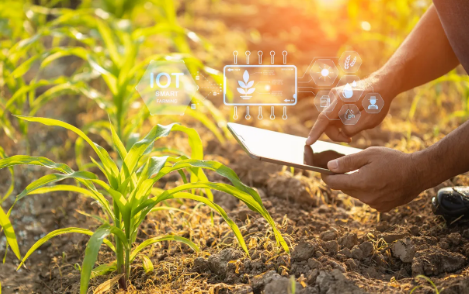
Farming technology solutions represent a crucial evolution in agricultural practices. The integration of precision agriculture, IoT devices, drones, and automated machinery reshapes crop management and resource allocation. These innovations offer significant advantages in efficiency and sustainability. As farmers increasingly adopt these technologies, the landscape of food production transforms. However, the implications of these advancements extend beyond mere efficiency. What challenges and opportunities lie ahead as this technological shift continues to unfold?
Farming Technology Solutions: The Rise of Precision Agriculture
As agriculture faces increasing pressures from climate change, resource scarcity, and a growing global population, precision agriculture has emerged as a transformative solution.
Utilizing data analytics and soil sensors, farmers can optimize resource usage and enhance crop yields. This innovative approach empowers producers to make informed decisions, fostering sustainability and resilience in food systems while promoting individual autonomy and freedom in agricultural practices.
IoT Devices Transforming Crop Management
The integration of IoT devices in crop management represents a significant advancement in agricultural technology.
Smart sensors collect real-time data on soil moisture, temperature, and nutrient levels, allowing farmers to optimize resource allocation.
Coupled with data analytics, these insights empower decision-making processes, enhancing crop yield and sustainability.
This innovative approach fosters a more efficient and autonomous farming environment, promoting agricultural freedom and resilience.
Exploring Drone Applications in Agriculture?
Advancements in agricultural technology continue to reshape farming practices, with drone applications emerging as a pivotal component in modern agriculture.
Drone surveying facilitates precise crop monitoring, enabling farmers to assess health, vitality, and yield potential efficiently. This innovative approach not only enhances decision-making but also empowers producers to optimize resource allocation, ultimately contributing to sustainable agricultural practices in an increasingly competitive landscape.
Benefits of Automated Machinery for Sustainable Farming Practices
While many traditional farming methods rely on manual labor and time-intensive processes, the integration of automated machinery significantly enhances sustainable farming practices.
Automated harvesting reduces waste and optimizes yield, while advanced soil monitoring technologies provide real-time data, enabling precise interventions.
This synergy fosters efficient resource management, promotes environmental stewardship, and empowers farmers with the freedom to innovate and adapt in an evolving agricultural landscape.
Read Also: Ethics of Emerging Technologies
Conclusion
In the tapestry of modern agriculture, farming technology solutions weave threads of innovation that enhance productivity and sustainability. As precision agriculture, IoT devices, drones, and automated machinery converge, they create a symphony of efficiency, allowing farmers to orchestrate their operations with unprecedented finesse. This harmonious integration not only cultivates bountiful yields but also fortifies the resilience of food systems against the challenges of a changing climate, heralding a new era of agricultural ingenuity and ecological stewardship.